Research estimates that 37% of CRE tasks can now be automated, leading to $34 billion in operating gains by 2030.
A new report from Morgan Stanley has put a number to something everyone in commercial real estate is feeling: AI is unlocking unprecedented efficiency. The research estimates that 37% of CRE tasks can now be automated, leading to $34 billion in operating gains by 2030. From digital property tours to virtual leasing agents, the industry is transforming at speed.
But when it comes to day-to-day real estate workflows, there’s one pain point almost every landlord, broker, and asset manager recognizes: floor planning, the starting point for any AI-led office redesign. If you’ve ever lost days waiting for a layout update - or seen a deal stall over slow test fits - you know exactly where automation is needed most.
According to Morgan Stanley, the biggest efficiency wins are happening in management, sales, admin, and maintenance, a trajectory we unpack in our 2025 year-end review of AI-driven space planning. This isn’t just about headcount; it’s about speeding up the processes that drive leasing, keep tenants happy, and get deals done.
That’s why floor planning is such a high-leverage area for automation, and why the question is no longer whether AI in office planning is a buzzword or a real benefit:
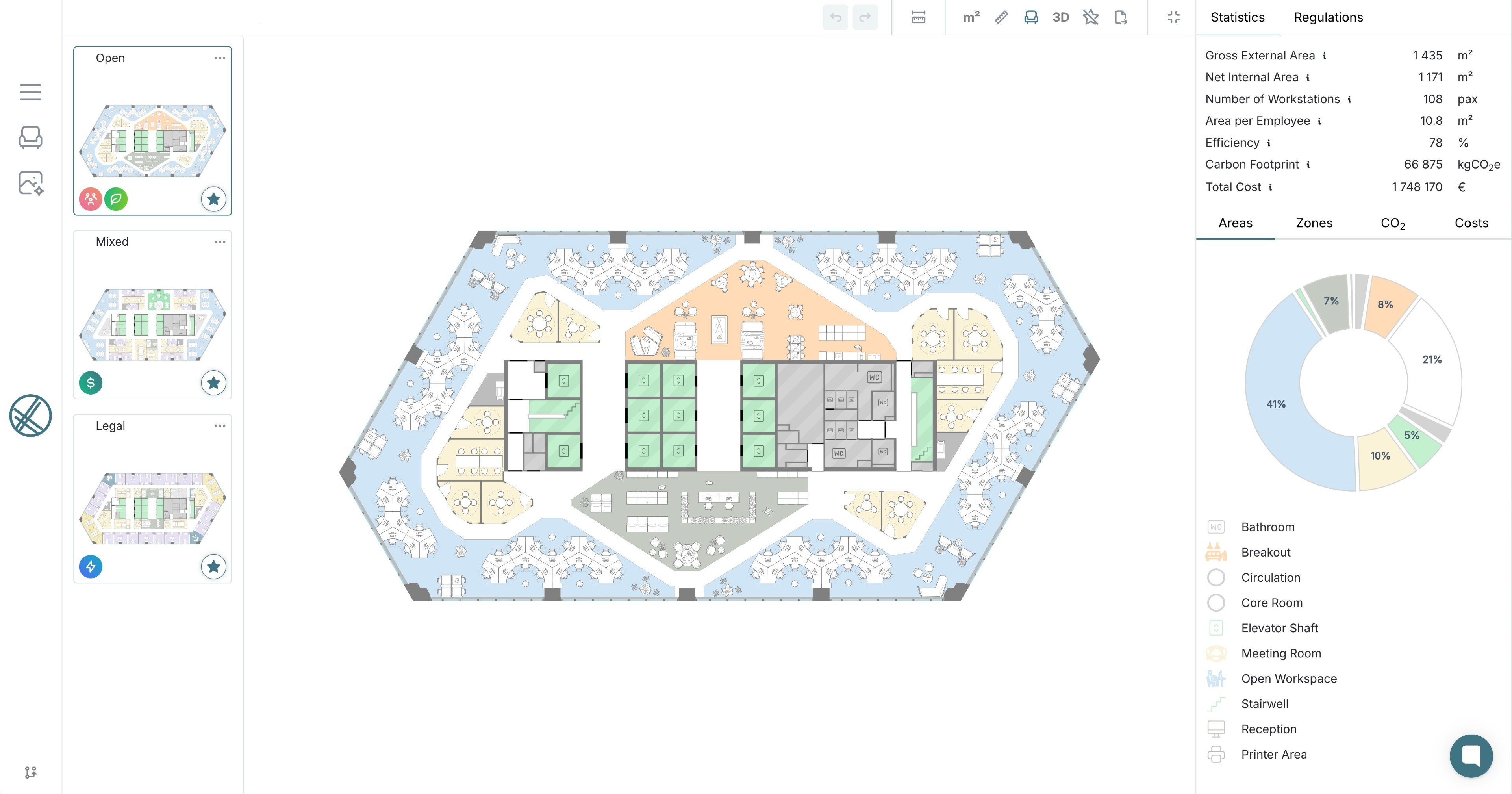
Modern, AI-powered floor plan tools are closing these gaps, the same shift behind AI firms’ growing appetite for flexible office space. Instant layout generation, live customization, and built-in analytics make it possible to move from prospect to proposal in minutes - not days.
With platforms like laiout, for example:
Morgan Stanley’s $34 billion figure is more than just a headline - it’s a sign of where the industry is headed. The next generation of real estate leaders will be those who automate the slowest, most repetitive parts of their workflow and invest in tools that deliver instant results.
Floor planning is no exception. By adopting AI-powered platforms, CRE teams are already seeing:
The pace of change in CRE is only accelerating. Automation, powered by AI, isn’t just about cutting costs - it’s about giving every stakeholder a better, faster, more flexible experience.
Ready to see what instant, digital floor planning could do for your portfolio?
Explore how platforms like laiout are helping CRE professionals turn AI’s promise into practical results - one layout at a time.
Morgan Stanley's report: https://www.morganstanley.com/insights/articles/ai-in-real-estate-2025
Get laiout News and Updates right in your inbox.

August 14, 2026
How Architecture Firms Are Defending Their Fees in a 41-Month Billings Downturn
August 12, 2026
Why Landlords Are Racing to Convert Vacant Floors as Vacancy Falls Fastest Since 2015
August 7, 2026
Rentable vs. Usable Square Feet: Why Your Test Fit and Your Lease Show Different Numbers
We're always open to hearing from talented people. If you don't see an open role that fits, send a speculative application to careers@laiout.co.Tell us what you'd bring and why laiout resonates with you.

Sign up to our newsletter


.svg)
.svg)


.svg)

