Discover how laiout helps designers create neuro-inclusive workspaces, using AI to prototype layouts that support diverse cognitive and sensory needs.
1. Emerging research indicates that the future of workspace design moves beyond flexibility to include environments that support neuro-divergent users (e.g., ADHD, autism, sensory processing differences).
2. For workspace designers, this means your next frontier is designing layouts and environments with cognitive and sensory inclusion built in, not as add-ons but as core strategy.
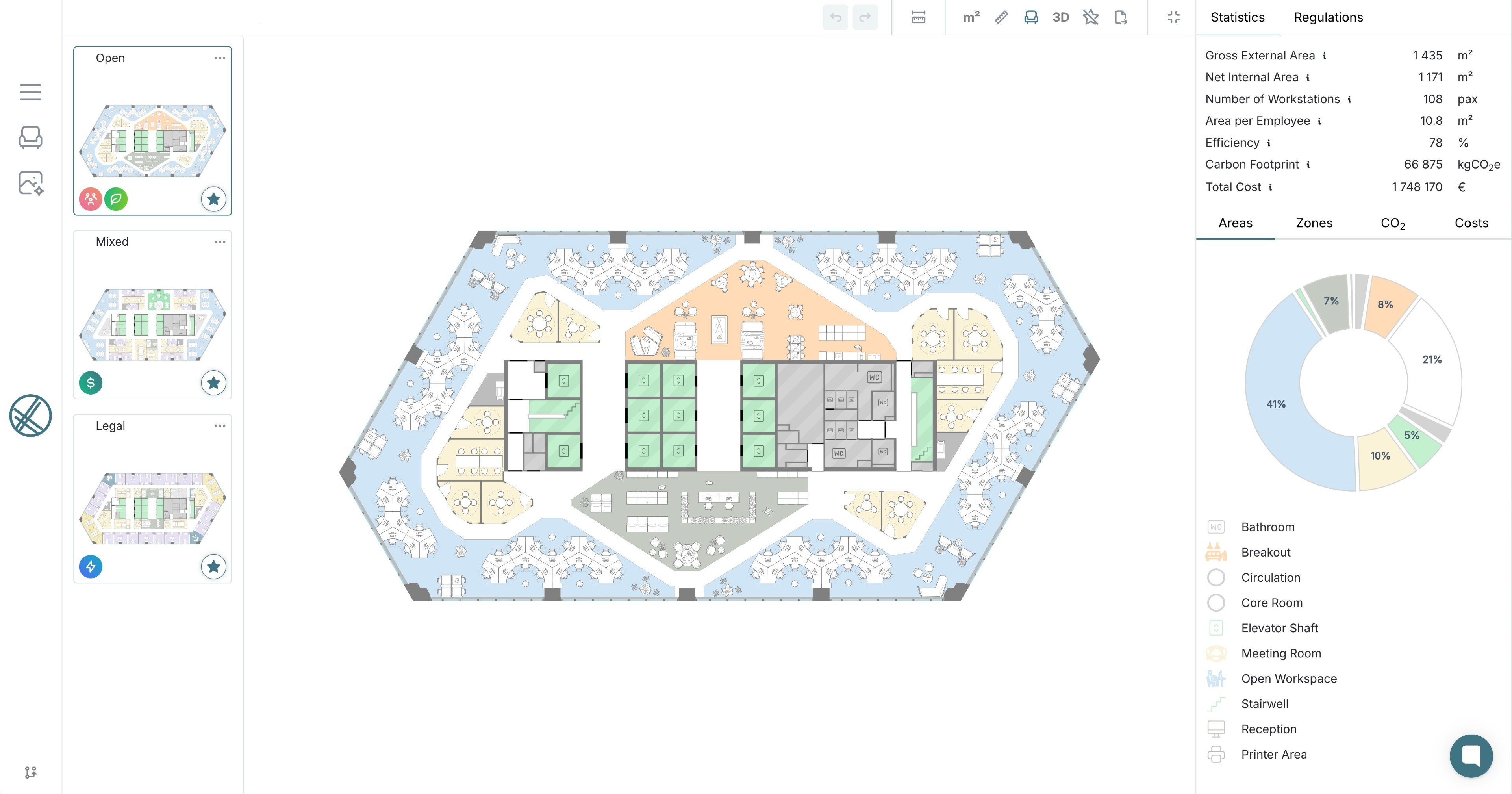
3. With the AI-powered platform laiout you can prototype inclusive layouts, visualise how different users engage spaces, and position your design offering as differentiated and future-ready.
The brief for workplaces is shifting. It is no longer enough to support hybrid or flexible occupancy. Growing evidence shows many work environments fail to support neuro-divergent users, which leads to discomfort, low engagement or even attrition. For you as a workspace designer, this means:
• Layout decisions must account for low-stimulus zones, adaptable lighting, acoustic control and intuitive circulation because standard layouts may inadvertently disadvantage neuro-divergent brains.
• Clients increasingly expect inclusive environments that serve a broader range of users, not just the “average” worker. This offers an opportunity to elevate design value.
• If inclusion is only considered late or as an optional phase, you risk delivering spaces that under-perform, require rework or fail to engage occupants. Designing for inclusivity from the beginning avoids wasted time and money.
• Scenario modelling of inclusive zones: Use laiout to generate multiple versions of a floor-plate that embed neuro-inclusive features such as quiet focus pods, sensory-adaptive breakout areas and choice zones so you test layout impact early.
• Data-informed spatial decisions: With laiout you can layer parameters such as circulation, adjacency and amenity access and evaluate how inclusive zones affect usability and future flexibility.
• Client storytelling and differentiation: Presenting inclusive layout alternatives in minutes positions you as a strategic partner within the process. Having the ability to show detailed 2D plans as well as 3D immersive experiences immediately, helps give the client a full understanding of your design.
Q1: Isn’t inclusive design a nice-to-have?
Inclusive design improves usability, retention and space performance. Environments that support diverse ways of working benefit everyone.
Q2: Doesn’t design for neuro-inclusion add complexity and cost?
The key is smart zoning and adaptability. With laiout you can test alternate budget levels and still deliver an inclusive layout.
Q3: What return should I expect from adopting this approach?
Results differ by project, but you should see stronger user satisfaction, improved utilisation, fewer redesigns and a design offer that stands out, all of which enhance your value and client outcomes.
For workspace designers, the shift toward neuro-inclusive workspaces isn’t optional. If you are ready to prototype inclusive layouts, integrate diverse user needs into your design story and differentiate your practice, then laiout is your tool. Book a demo with laiout today and start designing workplaces that work for everyone.
Get laiout News and Updates right in your inbox.

March 11, 2026
Best AI Space Planning Tools for Commercial Designers in 2026: Automated Test-Fits vs Manual Workflows
March 11, 2026
Office Lease Expirations 2026 to 2028: What Landlords Need to Know About The Renewal Wave
May 22, 2025
What Landlords Should Know About AI Layout Tools Before Their Next Refurbishment
We're always open to hearing from talented people. If you don't see an open role that fits, send a speculative application to careers@laiout.co.Tell us what you'd bring and why laiout resonates with you.

Sign up to our newsletter


.svg)
.svg)


.svg)

